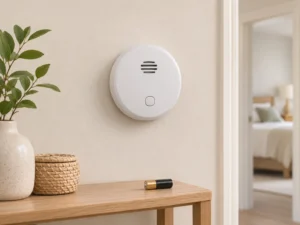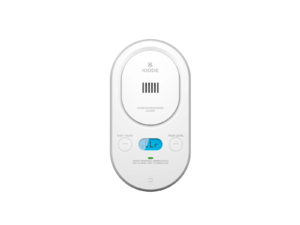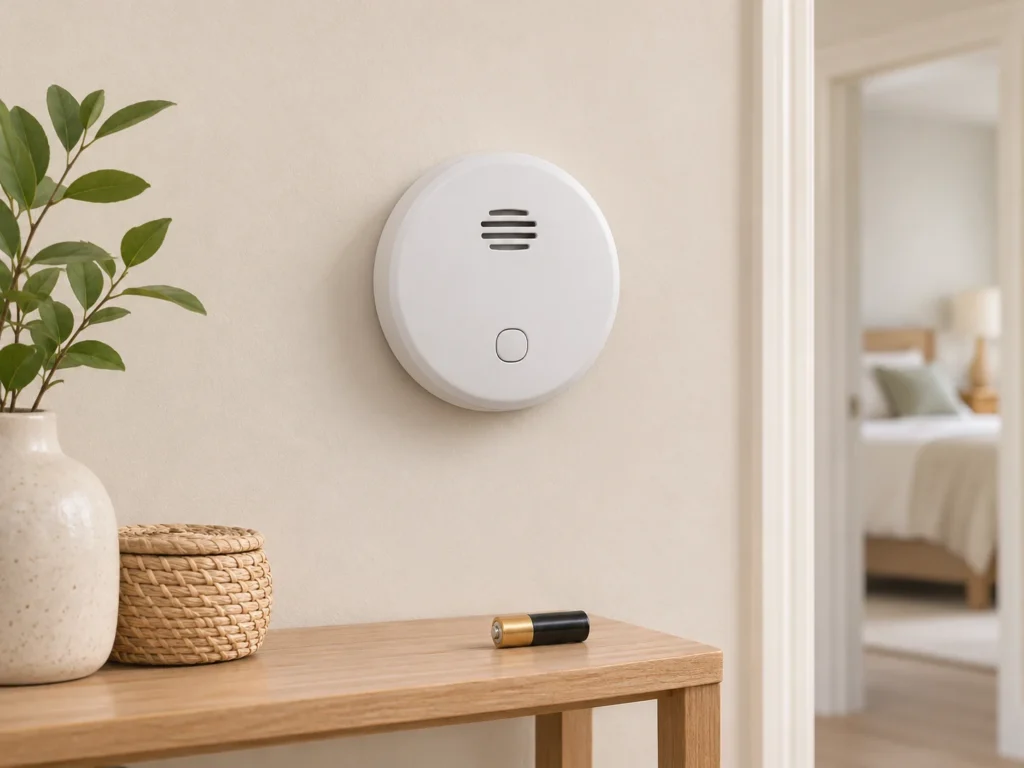
If a carbon monoxide alarm is sounding, or anyone has possible poisoning symptoms, get everyone outside to fresh air and call 911. Do this before changing batteries or trying to identify a chirp. Headache, dizziness, weakness, nausea and confusion can be warning signs. Do not wait for an alarm to confirm them.
A periodic chirp can instead report a battery problem, a fault or the end of the alarm’s life. If it continues after a battery change, find the exact model number and its manual. Brand alone is not enough to identify every warning pattern.
Chirp patterns are model-specific
First Alert’s general CO troubleshooting chart lists one chirp per minute for low battery, three for a malfunction and five for end of life. It tells owners to replace a malfunctioning or expired alarm. Its smart and combination alarms have separate support instructions, so confirm the chart applies to your model.
Kidde describes a chirp every 30 seconds, or END or ERR on some displays, as an end-of-life warning. It also notes that some non-digital models use a quick beep with a flashing red light for low battery. Combination alarms can use different intervals for low battery and sensor faults. Read the model’s instructions instead of treating every 30-second sound the same way.
After fitting a fresh battery
Use the battery type and fitting procedure in the manual, close the compartment properly and follow the prescribed test. A continuing chirp does not prove one particular fault. Compare the sound, light and display indicators with the manual, or contact the manufacturer if they are unclear.
Do not keep changing batteries to silence an end-of-life warning. Kidde says its alarms cannot detect CO in end-of-life mode, and a new battery does not stop that warning. Replace an expired or failed alarm promptly. Keep the home protected while arranging a warranty replacement. A support case does not restore the failed sensor.
Never disable a unit and assume the house is safe because the sound stopped. If CO exposure is suspected at any point, leave and call emergency services. Do not go back inside until responders say it is safe.
Check the replacement date on each unit
Kidde’s published service lives vary by model and manufacturing period: many newer CO alarms have a ten-year life, while older units and named exceptions differ. Follow the replacement instructions for your exact alarm, including whether the interval starts at manufacture or activation. The date printed on the back is not a universal expiration date.
Check other alarms installed at the same time, and record the replacement date for each new unit. Use its installation instructions for placement, power and testing. The CDC recommends battery-operated or battery-backup CO detectors near every sleeping area, and advises checking or replacing their batteries when clocks change each spring and fall.
Fixing the chirp is only part of the job. Confirm that you have working CO protection, then arrange any maintenance needed for fuel-burning appliances. A quiet alarm does not establish that an appliance or room is safe.